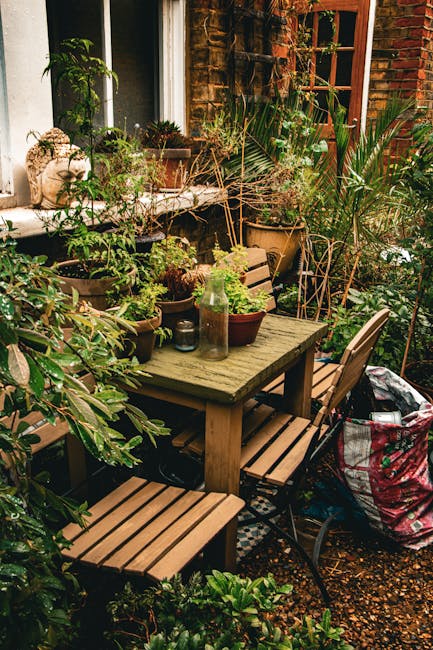
Seething Wells gardeners small garden ideas for tight plots
If you are trying to make a small outdoor space feel calm, useful, and genuinely lovely, you are not alone. Tight plots around Seething Wells can be awkward little spaces: a narrow strip, a courtyard that never quite gets enough light, a tiny garden tucked behind a terrace, or a patio that seems to collect clutter faster than it collects flowers. The good news? With the right approach, Seething Wells gardeners small garden ideas for tight plots can turn even the most cramped garden into somewhere that feels bigger, smarter, and far easier to enjoy.
This guide is for anyone who wants practical, local, no-nonsense ideas that actually work. We will look at layout, planting, storage, surfaces, privacy, maintenance, and the small details that make a tight garden feel intentional rather than squeezed. No fluff. Just useful ideas you can act on.
Table of Contents
- Why Seething Wells gardeners small garden ideas for tight plots Matters
- How Seething Wells gardeners small garden ideas for tight plots Works
- Key Benefits and Practical Advantages
- Who This Is For and When It Makes Sense
- Step-by-Step Guidance
- Expert Tips for Better Results
- Common Mistakes to Avoid
- Tools, Resources and Recommendations
- Law, Compliance, Standards, or Best Practice
- Options, Methods, or Comparison Table
- Case Study or Real-World Example
- Practical Checklist
- Conclusion
- Frequently Asked Questions
Why Seething Wells gardeners small garden ideas for tight plots Matters
Small gardens ask for a different kind of thinking. You cannot just throw in a lawn, a border, a shed, and a patio and hope the space somehow behaves. In a tight plot, every square metre has a job to do. That is especially true in Seething Wells, where many gardens are compact, irregular, or divided by boundaries, steps, and side access. One bad layout choice can make the whole space feel cramped.
This matters because a well-planned small garden does more than look neat. It changes how you use the space day to day. A narrow plot can become a place for morning coffee, herb growing, quiet reading, children's play, or a bit of evening entertaining. The aim is not to make a small garden pretend to be a large one. It is to make it work beautifully as a small garden.
Truth be told, the difference between a tight plot that feels frustrating and one that feels inviting is often not size at all. It is sequence, proportion, and restraint. Keep what matters. Remove what does not. It sounds almost too simple, but it works.
How Seething Wells gardeners small garden ideas for tight plots Works
The basic principle is this: design for flow, then add function, then finish with planting. Many people do it the other way round. They buy plants first, then search for pots, then realise they have nowhere to sit, nowhere to store tools, and nowhere to see the whole thing without stepping over something. A familiar story, honestly.
For small gardens, you usually work in layers:
- Layout layer: where paths, seating, and access will sit.
- Structure layer: fences, screens, trellises, raised beds, and edging.
- Planting layer: the plants that soften the hard surfaces and bring the space to life.
- Detail layer: lighting, containers, storage, and finishes.
That approach keeps the garden readable. You will notice that small spaces feel larger when the eye has clear places to rest. A slim path, one focal point, and repeated planting can make a compact garden feel calm instead of busy. It is a subtle thing, but very real.
In practical terms, this often means choosing one or two standout features rather than trying to pack in everything at once. A small pergola, a bench with built-in storage, or a raised planter can do more for the space than five mismatched ornaments ever will.
Key Benefits and Practical Advantages
Good small-garden design pays you back in everyday life. Here are the biggest advantages people tend to notice first:
- Better use of limited space: You stop wasting corners, dead ends, and awkward edges.
- Less visual clutter: A simpler layout makes a tight plot feel lighter and calmer.
- Lower maintenance: Smaller, smarter planting schemes are easier to keep under control.
- More privacy: Vertical screening and layered planting can make overlooked spaces feel more comfortable.
- Improved usability: The garden becomes somewhere you can actually sit, move, and enjoy.
- Stronger style: Repetition of materials and plants creates a more polished result.
There is also a surprisingly practical money angle. A compact garden can be more affordable to transform than a large one, but only if the design is disciplined. A tight plot can become expensive fast if you use too many different materials or overcomplicate drainage, levels, or planting. Keeping the scheme coherent helps with both budget and long-term upkeep.
Expert summary: In small Seething Wells gardens, the winning formula is usually simple: fewer materials, smarter storage, layered planting, and one clear purpose for each part of the space. If the garden has a job, it starts to feel bigger almost immediately.
Who This Is For and When It Makes Sense
This approach suits a wide range of homeowners and renters. It is especially useful if your garden is narrow, overlooked, split-level, or simply too small for traditional lawn-and-border ideas. If you look outside and think, "Where on earth would a table go?" then this guide is for you.
It also makes sense if you:
- want a low-maintenance garden that still feels attractive
- need family-friendly features without losing all your floor space
- have a courtyard, side return, or compact back garden
- want to improve privacy from neighbouring windows
- need to make a rental or resale property look more polished
- prefer outdoor space that feels tidy and deliberate rather than crowded
To be fair, not every small garden needs a full redesign. Sometimes a few targeted changes make a bigger difference than a complete overhaul. If the space is already usable but feels a bit chaotic, you may only need better planting structure, a new seating arrangement, or some vertical features. Small wins count.
Step-by-Step Guidance
1. Start with honest measurements
Measure the full space, including narrow sections, steps, side paths, and any awkward corners. Draw the garden roughly on paper. You do not need fancy software. Just something accurate enough to see what is possible. A lot of people skip this and then wonder why the bench feels too big or the planting bed blocks the door. Classic.
2. Decide what the garden must do
Pick one primary purpose. Is it a sitting space? A planting space? A family-friendly area? A privacy garden? You can mix functions, but one should lead. In a tight plot, every extra function needs justification.
3. Clear out what is not helping
If the garden feels cluttered, remove anything that does not earn its place. Broken pots, random storage boxes, oversized ornaments, and tired screening all eat visual space. A good clearance often reveals the real bones of the garden. If you need a clean slate, services such as garden clearance can help prepare the area for redesign without you having to wrestle with the lot in one weekend.
4. Build structure before planting
Use edging, planters, trellis, or a small raised bed to create order. A garden without structure can look messy very quickly. Even one strong line, like a narrow central path or a simple border, can make the plot easier to read.
5. Choose space-saving planting
Go for plants that suit the light and scale of the garden rather than forcing in large shrubs that will outgrow the space. In small plots, repeated planting often looks better than a long mixed list. Grasses, evergreen structure, compact climbers, herbs, and seasonal colour can all work well together when kept disciplined.
6. Add vertical interest
Walls and fences are valuable real estate in a tight garden. Use trellis, wall planters, climbers, or slim shelves to move the eye upward. That helps the garden feel taller, not just longer or narrower.
7. Finish with practical details
Choose lighting, seating, and storage that match the scale of the space. A bulky table can dominate a compact garden. A foldable chair, bench with storage, or wall-mounted light can be far more effective. The finishing touches matter more than people think.
Expert Tips for Better Results
Here is where small gardens either become charming or slightly chaotic. A few experienced choices make a big difference.
- Use repetition. Repeat one or two planting colours, pot styles, or materials so the space feels calm.
- Keep a narrow route clear. Even if the garden is tiny, leave comfortable movement space. Tight access should still feel graceful.
- Choose one focal point. A tree in a pot, a bench, or a sculpture works better than too many small focal points.
- Mix evergreen with seasonal planting. Evergreens give shape in winter, while seasonal flowers add lift in spring and summer.
- Think in layers. Low planting at the front, mid-height structure behind, taller screening at the back. Simple, but effective.
- Use lighter colours carefully. Pale paving or painted fences can brighten a dark garden, though too much white can feel stark. Balance it with greenery.
- Don't forget scent. In a small space, fragrant plants are more noticeable. A few well-placed herbs or scented climbers can transform the experience.
One small but useful trick: stand at your back door and look out. What do you see first? If it is a bin, a hose, or a cluttered corner, that is usually the thing to solve first. Not glamorous, but it works. The eye always goes there.
If your plot is mostly hard landscaping, consider softening the edges with planting rather than filling the middle. This keeps movement easy and gives you breathing room. A garden should feel like a place, not an obstacle course.
Common Mistakes to Avoid
Small gardens magnify errors. A decision that would be minor in a larger space can feel huge in a tight plot.
- Overcrowding the garden: Too many pots, too many plants, too many materials. The space starts shouting instead of speaking.
- Ignoring scale: Large furniture or oversized shrubs can swallow a small garden.
- Leaving no storage plan: Tools, cushions, hoses, and compost need somewhere to go.
- Using too many colours or finishes: The result can look restless.
- Skipping maintenance access: A beautiful bed that is impossible to reach will quickly become a nuisance.
- Forgetting drainage: Compact spaces can hold water in awkward ways, especially if surfaces are altered.
- Planting for the nursery shelf, not the garden: A plant may look lovely in the pot, but it still has to suit the light, wind, and available space.
One particularly common misstep is treating a tight plot like a showroom rather than a real garden. If it cannot be watered, tidied, or sat in comfortably, the design is not finished yet. Pretty is good. Usable is better.
Tools, Resources and Recommendations
You do not need a massive toolkit to improve a small garden, but the right basics make the process easier and cleaner. For most tight-plot projects, the essentials are straightforward:
- measuring tape and notebook
- spade, trowel, and secateurs
- pruning saw or loppers for tougher growth
- garden gloves and a sturdy wheelbarrow or trug
- level, string line, and marking spray or pegs for layout
- compost, mulch, and suitable topsoil where needed
- pots, raised planters, or trellis for vertical impact
If the space needs a more involved refresh, it may help to look at related services like garden maintenance, landscape gardening, or landscaping depending on whether you need ongoing care, design input, or a bigger structural change.
For lawns in very small gardens, a simple and tidy finish is often more effective than trying to force a large lawn into a poor shape. If turf is part of the plan, regular cutting and edging matter a lot in compact spaces, so a service like lawn mowing may be useful if you want the look maintained properly.
And if you are dealing with boundaries, hedges, or screening, it is worth remembering that the edges shape the whole experience. A neat boundary instantly changes the feel of a tight garden. That is where hedge trimming or even tree work such as tree lopping and removal may come into the picture, especially where light and space are both limited.
Law, Compliance, Standards, or Best Practice
Most small garden improvements are simple domestic work, but a few practical standards and precautions are worth keeping in mind. If you are altering levels, adding retaining features, adjusting drainage, or working near boundaries, it is sensible to make sure the work is suitable for the property and safe to maintain. That is just good practice, even when no formal permission is needed.
If the garden is shared, overlooks neighbouring land, or sits close to a boundary, be considerate about height, access, and light. A screening idea that feels perfect on paper can quickly become a neighbour issue if it blocks outlook or overhangs. This is where a careful, measured approach helps more than bold gestures.
For anything that involves heavier lifting, tree work, or potentially hazardous tasks, use sensible safety precautions and make sure the work is carried out responsibly. Services should be insured and should follow standard health and safety practice. If you are comparing providers, it is reasonable to ask how they handle safety, waste, and site protection. That is not being awkward; it is being sensible.
You may also want to think about sustainability. Reusing materials, choosing durable finishes, and composting green waste can reduce unnecessary waste. A responsible approach is not just better for the planet; it often keeps the garden cleaner and easier to manage over time.
Options, Methods, or Comparison Table
When space is tight, the big question is often which method gives the most value. The answer depends on the garden's shape, light, and how you want to use it. Here is a simple comparison that helps frame the choice.
| Method | Best for | Strengths | Trade-offs |
|---|---|---|---|
| Vertical planting | Very narrow plots, overlooked gardens | Creates height, softens fences, saves floor space | Needs regular watering and support |
| Raised beds | Defined planting zones, easier access | Gives structure, improves soil control, looks neat | Takes up some space and materials |
| Compact patio layout | Entertainment or seating focus | Easy to use, low maintenance, tidy finish | Can feel hard if overdone |
| Mixed planting with small lawn area | Family use, soft garden feel | Balances greenery and usability | Needs more upkeep than paving-only schemes |
| Pure courtyard style | Small urban spaces, low fuss | Clean lines, highly practical, elegant if done well | Needs strong styling to avoid feeling bare |
If you are torn between options, ask a simple question: what will you actually use three months from now? Not what looks impressive on day one. What will still make sense in October, with a bit of damp air and a mug of tea in your hand? That answer usually points you in the right direction.
Case Study or Real-World Example
Imagine a small Seething Wells garden behind a terraced home: narrow, shaded for part of the day, with a patchy old paving run, one tired border, and no clear place to sit. The owners want somewhere calmer, but they do not want a high-maintenance project. A very common brief.
The redesign starts by clearing the clutter and defining three zones: a compact seating area nearest the house, a slim planting strip along the boundary, and a raised bed at the far end to act as a visual anchor. Instead of trying to fit a full lawn in, the centre is kept open with a simple hard-wearing surface. Vertical planting is added to the fence to lift the view, and a couple of evergreen shrubs give the garden structure through winter.
The change is not dramatic in the flashy sense. No fireworks. But the garden suddenly feels clearer, taller, and more inviting. More importantly, it becomes easy to use. A chair can be pulled out without awkward shuffling. Tools have a home. Plants are accessible. The space breathes a little.
That is the real goal with tight plots. Not perfection. Not a magazine copycat. Just a garden that feels like it fits the house and the people who live there.
Practical Checklist
Before you start any redesign, run through this checklist. It saves time, and a few headaches too.
- Have you measured the full garden accurately?
- Do you know the main purpose of the space?
- Have you identified the sun and shade pattern?
- Is there a clear route for walking through the garden?
- Have you chosen one main seating or focal area?
- Are you using a limited, coherent material palette?
- Do you have a plan for storage?
- Will the planting suit the available light and size?
- Have you allowed access for watering and maintenance?
- Have you checked whether any boundary or structural work needs extra care?
- Will the design still work in winter, not just in summer?
- Have you thought about waste removal and ongoing upkeep?
If you can tick most of those boxes, you are already ahead of the curve. Honestly, that is where many gardens start improving: not with a big splurge, but with a clearer plan.
Conclusion
Small gardens in Seething Wells do not need to feel limiting. With careful planning, a restrained planting scheme, and a layout that respects the shape of the plot, even a tight outdoor space can become useful, attractive, and surprisingly restful. The best Seething Wells gardeners small garden ideas for tight plots are not about cramming more in. They are about making better choices with the space you already have.
Start with function. Then add structure. Then let the planting do its quiet work. That sequence tends to produce the best results, and it is far less stressful than trying to solve everything at once. A good small garden has a kind of quiet confidence to it. You feel it when you step outside.
If you are ready to improve a compact garden and want help turning ideas into a practical plan, the next step is simple.
Get a free quote today and see how much you can save.
Frequently Asked Questions
What are the best garden ideas for a very small Seething Wells plot?
The best ideas usually combine vertical planting, compact seating, simple paving, and a limited planting palette. That mix keeps the space usable without making it feel crowded.
How do I make a narrow garden look wider?
Use clean side lines, repeated materials, and a clear path that does not zigzag unnecessarily. Light colours can help, but the real trick is avoiding clutter and keeping the eye moving forward.
Can a small garden still have a lawn?
Yes, but only if it genuinely earns its place. In a tight plot, a tiny lawn can work if the rest of the garden is very simple. If not, paving or planted groundcover is often more practical.
What plants work best in compact gardens?
Choose plants that stay in scale, suit the light, and offer structure as well as colour. Compact shrubs, grasses, herbs, evergreen planting, and climbers are often good choices.
How can I get privacy in a small overlooked garden?
Use layered screening rather than a single heavy barrier. Trellis, climbers, taller pots, and well-placed evergreen planting usually feel softer and more effective than a solid wall of screening.
Is landscaping worth it for a tiny garden?
Often, yes. A small garden can benefit a lot from better layout, edging, surfaces, and planting structure. The key is keeping the design proportionate to the space.
What is the easiest way to maintain a small garden?
Keep the design simple. Fewer plant varieties, fewer materials, and clearer access points make maintenance much easier. Regular light upkeep is better than rare big tidy-ups.
Do I need professional help for a small garden?
Not always, but professional support can save time if the layout is awkward, the plot is very small, or you want a polished result without trial and error. It is especially helpful where boundaries, drainage, or access are tricky.
How much should I budget for a small garden makeover?
Costs vary a lot depending on materials, access, and how much work is needed. A simple refresh is very different from a full redesign, so it is better to get a tailored quote than rely on rough guesses.
Can I improve a small garden in stages?
Absolutely. In fact, that is often the smartest route. Start with clearing, then layout, then structure, then planting. Doing it in stages can make the project more manageable and less overwhelming.
What should I avoid in a tight plot?
Avoid overcrowding, oversized furniture, and too many competing features. In small spaces, restraint usually beats variety. The garden should feel intentional, not packed.
How do I know if my small garden needs a full redesign or just maintenance?
If the structure is basically sound but the space looks tired, maintenance may be enough. If the layout feels awkward, access is poor, or the garden never seems to work properly, a redesign is usually the better answer.
Are hard surfaces a bad idea in small gardens?
Not at all. Hard surfaces can actually make a small garden easier to use. The key is balancing them with planting so the space does not feel stark or over-paved.
What is the simplest first step I can take this weekend?
Clear the clutter, measure the space, and decide what the garden needs to do most. That one step often makes the next decisions much easier. Small start, big difference.