Seething Wells garden maintenance common problems and fixes
Gardens in Seething Wells can look lovely one week and then, after a bit of damp weather, a windy spell, or just a busy month, they start to slip. Lawns thin out. Hedges get shaggy. Borders clog up with weeds. It happens fast, and to be fair, that is usually when people start searching for Seething Wells garden maintenance common problems and fixes.
This guide breaks down the issues homeowners and landlords run into most often, why they happen, and what actually works to put them right. If you want a tidy, manageable outdoor space rather than a constant weekend battle, you are in the right place. We will cover the practical stuff: what to fix first, what can wait, what tools help, and when it makes sense to bring in professional support through services such as garden maintenance, lawn mowing, or hedge trimming.
One small reality check: most garden problems are not mysterious. They are usually a mix of timing, weather, soil condition, and jobs being left a bit too long. The good news? Once you understand the pattern, the fixes become much more straightforward.
Contents
- Why Seething Wells garden maintenance common problems and fixes Matters
- How Seething Wells garden maintenance common problems and fixes Works
- Key Benefits and Practical Advantages
- Who This Is For and When It Makes Sense
- Step-by-Step Guidance
- Expert Tips for Better Results
- Common Mistakes to Avoid
- Tools, Resources and Recommendations
- Law, Compliance, Standards, or Best Practice
- Options, Methods, or Comparison Table
- Case Study or Real-World Example
- Practical Checklist
- Conclusion
- Frequently Asked Questions
Why Seething Wells garden maintenance common problems and fixes Matters
Seething Wells sits in a part of South West London where gardens often have to work a bit harder than they look. Many plots are compact, partially shaded, overlooked, or squeezed around patios, fences, and pathways. That makes maintenance more than a cosmetic job. It is about keeping the whole outdoor space healthy, usable, and safe.
When a garden is neglected, small issues stack up. A patch of moss becomes a slippery lawn. A hedge that should have been trimmed last month starts blocking light. Fallen leaves trap moisture against decking or paving. Weeds get into joints and then into borders. Before you know it, the garden feels heavier, darker, and harder to enjoy.
That is why common garden maintenance problems matter so much in Seething Wells. The local climate, urban shade, and everyday wear all combine. A fix that works in a sunny, open garden may not be enough here. You need a more realistic approach, one that takes the site conditions seriously.
Practical takeaway: most garden problems in this area are best handled early, lightly, and regularly. Waiting for a once-a-year rescue tends to cost more effort and usually gives a poorer finish.
If you are planning a bigger tidy-up, services such as garden clearance can help remove the build-up that makes routine maintenance difficult in the first place.
How Seething Wells garden maintenance common problems and fixes Works
Think of garden maintenance as a cycle rather than a single task. You observe the garden, identify what is going wrong, make the right fix, and then prevent the same issue from coming back too quickly. That sounds simple, but the details matter.
In practice, the process usually looks like this:
- Inspect the garden properly. Check the lawn, borders, hedges, trees, paving, fences, and drainage points.
- Spot the symptom and the cause. Yellow grass is a symptom. Poor mowing height, compacted soil, or shade may be the cause.
- Match the fix to the problem. Aeration, pruning, weed control, feeding, repair, or simple clearing can all be relevant.
- Set a repeat schedule. Weekly, fortnightly, or seasonal tasks prevent the issue from returning.
The key is not to treat every messy-looking patch the same way. A lawn with moss needs a different response from a lawn with drought stress. A hedge with uneven growth needs different attention from a hedge that is simply too large. Obvious, yes. But people still mix these up all the time.
In a typical Seething Wells garden, the most common maintenance fixes are:
- regular mowing at the right height rather than hard cutting
- selective hedge trimming instead of heavy topping
- weeding borders before roots set deeply
- clearing leaves and debris before they rot down
- checking drainage around paved or low-lying areas
- refreshing mulch or soil conditioner where ground is tired
That last point matters more than many people think. Healthy soil is the quiet engine of a healthy garden. If the soil is compacted, dry, or low in organic matter, the symptoms will keep returning no matter how neat the surface looks.
Key Benefits and Practical Advantages
Good maintenance is not just about making a garden look tidy for visitors. It changes how the space functions day to day.
- Better curb appeal. A neat hedge, clipped lawn, and controlled borders make a property feel cared for.
- Less long-term repair work. Catching weeds, disease, or drainage issues early usually costs less than fixing damage later.
- Safer surfaces. Damp leaves, overgrown edges, and mossy paving can all become trip hazards.
- More light and air. The right pruning and trimming can stop a garden feeling boxed in.
- Healthier plants. When dead material is removed and soil is improved, plants respond better. Simple as that.
- More usable space. If you can actually walk, sit, and move around the garden, you will use it more. Funny how that works.
Another benefit is emotional, and it is easy to underestimate. A garden that is manageable feels lighter. You stop seeing it as a job hanging over your head. Even a small courtyard can feel calmer once the clutter, weeds, and scrappy edges are dealt with.
If your garden is part of a wider outdoor redesign, landscape gardening or landscaping may be the better route, especially where layout problems are driving the maintenance issues in the first place.
Who This Is For and When It Makes Sense
This guide is useful if you are a homeowner, tenant, landlord, letting agent, or property manager dealing with an outdoor space that seems to need constant attention. It also helps if you are looking after a garden for an older relative, a rental property, or a home you only visit occasionally.
It makes particular sense when you notice one or more of these signs:
- the lawn is patchy, mossy, or turning soft underfoot
- hedges are shading windows or spilling over pathways
- weeds are appearing faster than you can pull them
- the borders look tired even after you tidy them
- drainage is poor and the ground stays damp
- trees are blocking light or dropping debris heavily
- you keep doing the same jobs but never get ahead
If that last point sounds familiar, you are not alone. People often do maintenance reactively: a quick mow here, a rough weed-pull there, and then everything slips again. A more structured approach saves time and, honestly, a fair bit of annoyance.
It also makes sense to seek help if the garden has become physically difficult to manage. Tall hedges, large branches, heavy green waste, and awkward access points can turn a simple job into a messy afternoon. In those cases, specialist services such as tree lopping and removal or a one-off tidy through garden clearance may be more sensible than trying to muscle through it yourself.
Step-by-Step Guidance
Here is a practical way to deal with the most common garden maintenance problems in Seething Wells without making the process harder than it needs to be.
1. Start with a full visual check
Walk the whole garden slowly. Look down, look up, and look at the edges. Check for:
- weeds in borders and paving joints
- moss, bare patches, or ruts in the lawn
- hedges growing unevenly or too wide
- overhanging branches
- blocked drains, soggy spots, or pooling water
- broken fence panels, loose edging, or damaged pots
It helps to do this after rain, because dampness shows up drainage issues more clearly. Morning light can be useful too. You notice more than you expect when the garden is a bit wet and quiet.
2. Deal with the obvious clutter first
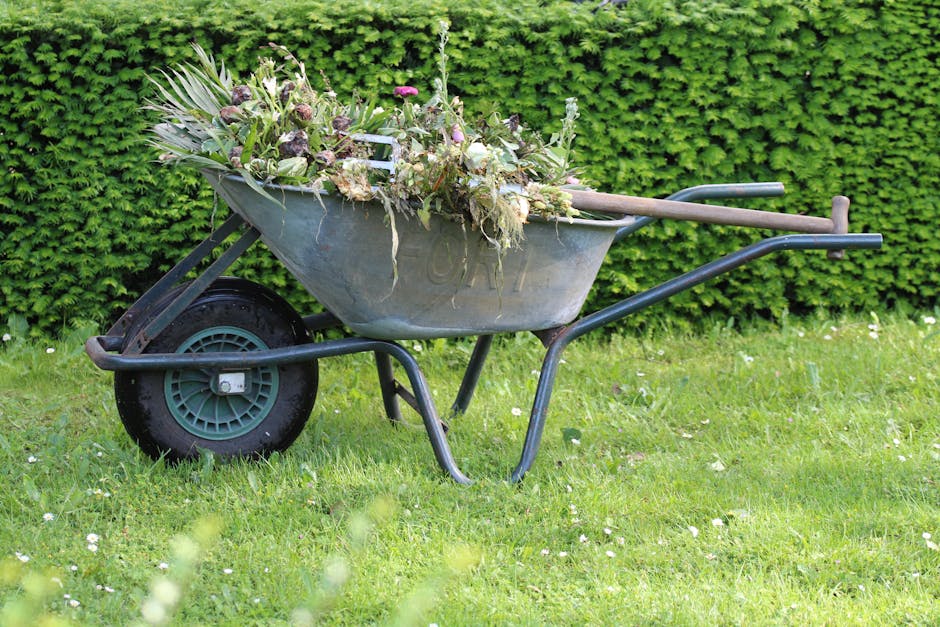
Clear leaves, dead stems, loose litter, broken branches, and fallen fruit or seed pods. This is often the quickest win, and it immediately makes the rest of the job easier. If the area is heavily overgrown, a more thorough tidy may be needed before any detail work can start.
3. Sort the lawn based on what it actually needs
Brown grass is not always dead grass. It may be compacted, shaded, underfed, or simply cut too short. Fixes may include:
- raising the mowing height
- scarifying to remove thatch
- aerating compacted soil
- reseeding bare areas
- feeding at the right time of year
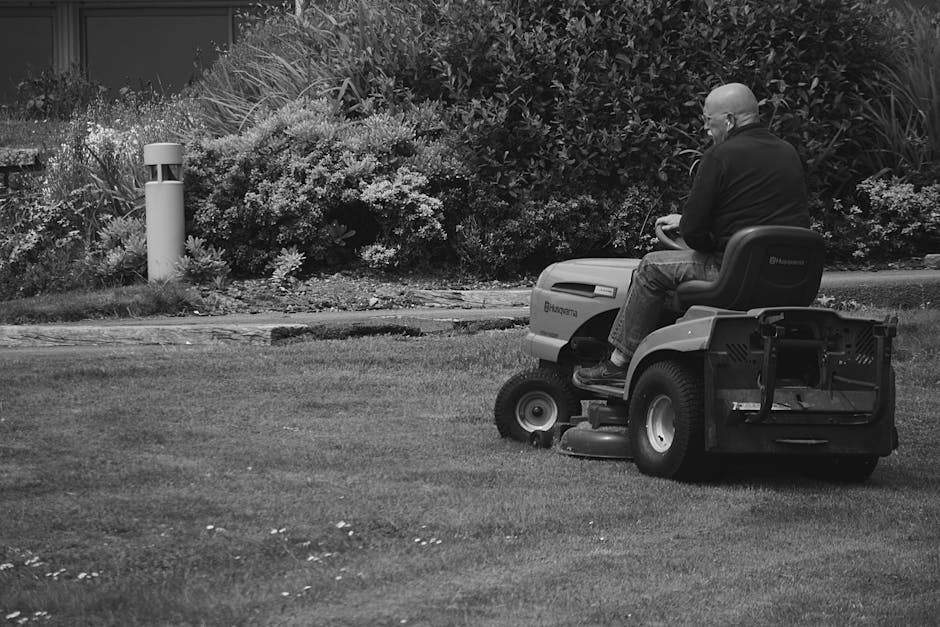
If the issue is simply an inconsistent cut, a more regular lawn mowing schedule can make a dramatic difference. You do not need to scalp a lawn to keep it tidy. In fact, that usually makes things worse.
4. Tackle hedges and shrubs with restraint
Hedges are one of the biggest maintenance triggers in Seething Wells gardens. The fix is usually a careful trim, not a drastic chop. Remove long shoots first, shape the sides, and avoid cutting back into old bare wood unless the species tolerates it. If the hedge is already unmanageable, professional hedge trimming is often the safer and neater option.
5. Improve borders and planting beds
Weeds, bare soil, and exhausted planting beds usually need a combination of hand weeding, edging, mulching, and replanting. Compost or other organic matter can help the soil hold moisture and feed roots. If a border looks tired every year, the issue may be poor plant choice rather than neglect. Shade-tolerant plants usually cope better in built-up areas.
6. Check drainage and hard surfaces
Slippery paving, standing water, and moss often point to poor drainage or too much shade. Brush and wash hard surfaces, remove built-up debris, and keep nearby planting under control so the area can dry properly. If decking has become slick or rotten-looking, it may need more than a clean. In some cases, surface upgrades or repairs are the honest answer.
7. Set a maintenance rhythm
Once the garden is under control, set the pattern that stops the same issues from returning. For many homes, that means:
- weekly mowing in the growing season
- fortnightly hedge and border checks
- monthly inspections of drainage and debris
- seasonal cut-backs and soil improvement
Not glamorous. Very effective.
Expert Tips for Better Results
There are a few habits that consistently make maintenance easier, and they are not complicated.
Trim little and often. This is especially true for hedges and soft growth. Once plants get too large, the job becomes slower, rougher, and more stressful for the plant itself.
Keep mower blades sharp. A dull blade tears grass instead of cutting it cleanly. You may not notice it at first, but the lawn definitely does.
Work with the season. Spring and early autumn are often the most productive times to refresh beds, repair lawns, and reshape growth. Mid-summer and winter maintenance should be lighter and more specific.
Look beyond the surface. If a patch keeps failing, ask why. Shade, compaction, bad drainage, or overuse are often the real cause.
Do not ignore the edges. Path borders, fence lines, and corners make a bigger visual difference than people expect. A garden can be nearly tidy and still look messy if the edges are ragged.
Use the right waste route. If you have a lot of clippings, branches, or green waste, clearing it promptly stops the garden from feeling cluttered again. A proper cleanup through recycling and sustainability-minded disposal is much better than leaving piles sitting around for days.
Expert summary: The best garden maintenance fixes are usually the least dramatic ones. Light, regular work beats big rescue jobs almost every time, especially in a shaded urban garden where growth patterns can shift quickly.
Common Mistakes to Avoid
Plenty of garden headaches come from well-meant but slightly off-target maintenance. Here are the biggest mistakes we see.
- Cutting too much at once. This can weaken hedges and stress plants. It also leaves a harsh finish.
- Scalping the lawn. Short grass is not healthy grass. It invites weeds, moss, and dryness.
- Ignoring shade. If a plant hates shade, it will keep struggling no matter how nicely you water it.
- Leaving weeds until they seed. Then you are not weeding; you are hosting them for another season.
- Using the wrong tool for the job. A blunt spade, poor hedge cutter, or tired mower creates more frustration than progress.
- Forgetting drainage. Damp patches rarely fix themselves. They usually become more obvious after winter.
- Over-mulching. Too much mulch can smother plants or encourage rot if it is piled against stems and trunks.
There is also a timing mistake people make all the time: waiting for a perfect dry weekend that never quite arrives. In London, that can mean weeks slip by. Better to do smaller jobs in sensible windows than postpone everything until the garden is shouting at you.
Tools, Resources and Recommendations
You do not need a shed full of fancy gear, but a few reliable tools make maintenance much easier.
| Task | Useful tool or approach | Why it helps |
|---|---|---|
| Lawn care | Sharp mower, rake, aerator | Improves cut quality and reduces compaction |
| Weeding | Hand fork, hoe, gloves | Lets you remove roots properly without damaging nearby plants |
| Hedge trimming | Manual shears or hedge trimmer | Creates a cleaner shape and more even finish |
| Border tidying | Spade, edging tool, compost | Defines lines and supports healthier planting |
| Leaf and debris clearing | Rake, sweeping brush, tarp | Makes clean-up quicker and less messy |
| Heavy overgrowth | Professional clearance or pruning support | Safer and faster when the job has outgrown DIY |
For regular upkeep, a planned service can be more efficient than ad hoc effort. If you need a broader overview of what is available, the services overview is a sensible place to compare what different types of garden help are intended for.
If you are deciding between a quick tidy and a more complete refresh, pricing and quotes can help you understand how the scope of work usually affects the plan. And if you want to know who is behind the work, the about us page is useful for a bit of background before you commit.
Law, Compliance, Standards, or Best Practice
Garden maintenance is usually straightforward, but it still touches on safety, neighbourly behaviour, and responsible waste handling. In the UK, the exact obligations depend on the work involved, the property, and whether trees, access routes, or shared boundaries are part of the job.
For everyday domestic maintenance, best practice usually means:
- working safely with sharp tools and powered equipment
- keeping pathways clear to avoid slips and trips
- being careful near fences, walls, and neighbouring property
- disposing of garden waste responsibly
- taking extra care with trees, large branches, and overhead hazards
Where larger tree work is involved, it is sensible to think carefully before cutting. Some situations call for professional judgment, particularly if branches are heavy, high, or close to buildings. The same caution applies to wet surfaces and awkward access points. No hedge trim is worth a hospital trip. Bit of a mood killer, that.
Reputable garden businesses should also have clear policies around safety and service expectations. If you are comparing providers, it is fair to look for transparent information on health and safety, insurance and safety, payment and security, and how they handle issues through a complaints procedure. That does not sound exciting, but it is exactly the sort of thing that protects the customer experience.
Options, Methods, or Comparison Table
When people ask about fixing common garden maintenance problems, the real choice is often between a light DIY touch, a recurring maintenance plan, or a one-off professional reset. Each has its place.
| Approach | Best for | Strengths | Limitations |
|---|---|---|---|
| DIY maintenance | Small, regular jobs | Low cost, flexible, immediate | Easy to fall behind; can miss deeper issues |
| One-off clean-up | Overgrown or messy gardens | Fast visible improvement | Problems can return if follow-up is weak |
| Ongoing garden maintenance | Busy households, landlords, tidy family gardens | Prevents build-up and keeps standards consistent | Requires a schedule and a budget |
In Seething Wells, ongoing maintenance often gives the best value because gardens can decline quietly. A tidy-up is satisfying, sure, but regular attention is what keeps the garden from slipping back into a state where everything feels overdue.
If the maintenance issue is really a layout issue, not just an upkeep issue, then a broader design or rebuild may help. That is where landscaping and landscape gardening can be more effective than repeated patch repairs.
Case Study or Real-World Example
Here is a realistic example. A small Seething Wells back garden had three recurring problems: mossy paving, a lawn that kept thinning at the edges, and a hedge that had crept out over the fence line. Nothing dramatic on its own. Together, though, it made the space feel cramped and damp.
The first pass focused on the basics. Debris was cleared. The paving was brushed back and cleaned. The hedge was reduced carefully rather than hacked back. The lawn was raised in cut height and the bare edge areas were reseeded. A thin layer of compost and mulch went into the borders to improve moisture retention and reduce weed pressure.
The interesting part was what happened next. The space did not need a complete redesign. It just needed the right sequence of fixes. Once light reached the lawn again and the hedge stopped closing in, the garden became easier to manage week by week. Not perfect. Better. Much better.
That is often the real story with garden maintenance: one good intervention solves three smaller problems at once. The trick is spotting the order.
Practical Checklist
Use this checklist when you want to get a Seething Wells garden back under control.
- Check the whole garden for weeds, moss, debris, and drainage issues
- Remove dead growth, fallen leaves, and obvious clutter
- Inspect the lawn for bare patches, compacted areas, or poor cutting height
- Trim hedges lightly and evenly, keeping the natural shape where possible
- Prune overgrown shrubs and remove damaged stems
- Clear and edge paths, borders, and fence lines
- Refresh tired soil with compost or suitable organic matter
- Look for signs that shade or poor drainage are causing repeat issues
- Schedule the next maintenance visit before the garden slips again
- Call in professional help if branches, height, access, or waste volume make the job awkward
If you are starting from a very overgrown state, beginning with a proper garden clearance can make every later step simpler. That first reset can be a relief, honestly.
Conclusion
Seething Wells garden maintenance common problems and fixes usually come down to three things: spotting issues early, choosing the right fix, and repeating the job often enough that the garden never gets out of hand. Hedges need shaping before they become barriers. Lawns need the right cut and a bit of patience. Borders need clearing before weeds settle in. And the whole space benefits when you work with the site rather than against it.
The better you understand the pattern, the easier the garden becomes to live with. That is the real win. Not a perfect, showroom finish every week, just a space that feels healthy, manageable, and worth stepping into.
If your garden has got away from you, do not beat yourself up about it. Most people are juggling too much already. Start with the biggest issue, then move methodically through the rest. A calm, steady approach usually gets you further than a heroic one-off burst on a Saturday afternoon.
Get a free quote today and see how much you can save.
Frequently Asked Questions
What are the most common garden maintenance problems in Seething Wells?
The most common issues are overgrown hedges, patchy lawns, weeds in borders and paving, moss, leaf build-up, and damp spots caused by shade or poor drainage. These tend to appear together, which is why a full check is usually better than tackling one symptom at random.
How often should a Seething Wells garden be maintained?
For many gardens, weekly or fortnightly attention during the growing season is enough to stay on top of the basics. Lawns may need more frequent mowing in spring and summer, while hedges and borders often need seasonal checks and lighter touch-ups in between.
Why does my lawn keep going patchy even after mowing?
Patchiness can come from compacted soil, shade, uneven watering, poor nutrients, or cutting too low. Mowing alone will not fix those issues. You may need aeration, reseeding, better feeding, or a raised mowing height so the grass can recover properly.
Is hedge trimming enough if my hedge has become very overgrown?
Sometimes yes, but not always. If the hedge has been left too long, a careful reduction may be needed in stages. Heavy cutting should be approached with caution because some species do not respond well to being cut back hard into old wood.
What should I do about moss on paving and lawns?
Moss usually points to dampness, shade, or lack of airflow. On paving, cleaning and brushing help, but the surrounding conditions matter too. On lawns, improving drainage, light levels, and mowing practices usually gives better long-term results than repeated surface treatment.
When is garden clearance better than routine maintenance?
Garden clearance makes more sense when the space is heavily overgrown, full of waste, or hard to access safely. It gives you a clean starting point. Routine maintenance is better once the garden is already reasonably under control.
Can I fix most garden problems myself?
Yes, many small issues can be handled DIY if you have the time and the right tools. But taller hedges, heavy branches, slippery surfaces, and large volumes of waste can become awkward quickly. That is usually the point where professional help becomes the sensible option.
Do I need specialist help for trees in a small urban garden?
If the tree is small and straightforward, maybe not. But if branches are high, close to buildings, blocking light, or shedding a lot of debris, it is safer to get advice or support. Tree work can be more involved than it looks from the ground.
How can I stop weeds returning so quickly?
Stay ahead of them. Remove weeds before they seed, keep borders mulched, maintain clear edges, and do not leave bare soil exposed for long periods. A regular maintenance rhythm is more effective than occasional big weeding sessions.
What is the best time of year to fix garden maintenance issues?
Spring and early autumn are often the most useful times for lawn improvement, pruning, and border work. That said, small maintenance tasks can be done throughout the year as long as conditions are safe and the plants are suited to the timing.
How do I know if my garden problem is caused by shade?
If the same area stays damp, sparse, or mossy while the rest of the garden behaves normally, shade may be part of the problem. Trees, fences, and nearby buildings all reduce light. Sometimes the fix is pruning; sometimes it is choosing shade-tolerant planting instead.
Should I hire ongoing maintenance or book one-off visits?
If the garden regularly slips, ongoing maintenance is usually the better choice. If it is a seasonal tidy-up or a one-time recovery job, a one-off visit may be enough. The right answer depends on how quickly the garden grows and how much time you want to spend on it yourself.
For more background on the company, visit the about us page, or if you are ready to talk through your garden, use the contact us page when you are ready.